Raccoons, Skunks, Bats, and Squirrels
If wildlife has moved into your attic, walls, or under your deck, Abell can help. We provide professional, humane wildlife control in Dartmouth and surrounding communities, focusing on safe removal, long-term prevention, and protecting your home.
Dartmouth's residential neighbourhoods, parks, lakes, and wooded areas make it a natural draw for raccoons, skunks, bats, and squirrels. These animals are most active in spring and fall when they go looking for warm, secure spaces to nest or overwinter. Attics, sheds, and crawl spaces are often the first place they find.
Even small wildlife intrusions can cause big problems. Animals chew wiring, tear insulation, leave behind strong odours, and bring health risks into your home. Abell removes wildlife humanely, seals entry points, and keeps them from coming back.
Common Wildlife Problems in Dartmouth

Raccoons are common in Dartmouth. Raccoons are expert climbers and often use trees, fences, or decks to reach roofs. Once inside attics, raccoons can tear insulation, damage vents, and chew wiring. Their droppings can carry diseases like rabies and roundworm. Without proper exclusion, raccoons often return repeatedly.

Skunks frequently den under decks, porches, and sheds. Skunks dig for insects, sometimes damaging landscaping or foundations. Skunks may carry rabies, and their spray leaves a strong odor that is difficult to remove without professional help.
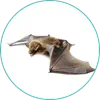
Bats are valuable for controlling insects but shouldn’t be inside homes. In Dartmouth, bats often enter through gaps in rooflines, chimneys, or vents. Their droppings, called guano, can contaminate insulation and create health concerns. Because bats are protected, removal must be done carefully and at the right time of year. Abell uses humane exclusion methods that allow bats to leave safely while preventing their return.

Squirrels may seem harmless, but they can cause serious problems indoors. Squirrels squeeze through small openings in soffits, vents, or roofs, then build nests using insulation and wiring. Squirrels frequently chew wires, creating fire hazards, and can continue causing noise and damage until properly removed.
How to Reduce Wildlife Activity Around Your Dartmouth Home
Professional wildlife exclusion is the most effective way to prevent repeat problems. Wildlife can be unpredictable, and attempting removal on your own can be dangerous. Abell’s team is trained to handle wildlife safely and humanely.
Our process includes:
Think you have wildlife in your attic or crawl space? Call Abell today for trusted wildlife control in Dartmouth. We’re available 24/7, and every job is backed by our satisfaction guarantee.
FAQ
How can I tell if wildlife is in my attic or walls?
Scratching or thumping noises, damaged vents or soffits, droppings, strong odors, and disturbed insulation are common signs.
Why is wildlife common around Dartmouth homes?
Dartmouth’s parks, lakes, and older neighborhoods provide shelter and food, especially during spring and fall.
Is wildlife control humane?
Yes. Humane wildlife control focuses on safely removing animals without harm and preventing re-entry. Abell uses one-way doors, exclusion techniques, and live trapping where permitted, all while following local regulations and ethical standards. The goal is always to protect both the homeowner and the animal.
How do I know if wildlife is living in my attic?
Common signs include scratching or thumping noises, damaged roof vents or soffits, droppings, strong odours, and disturbed insulation.
Are Raccoons and Skunks Dangerous?
Short answer, yes. Raccoons and skunks are a common sight across Canada, but that doesn't mean they're harmless when they show up on your property.
Both animals can carry rabies. Raccoons can also carry raccoon roundworm, and skunks are known to carry leptospirosis and distemper. On top of that, any animal that feels cornered will defend itself, and that can mean bites, scratches, or in the case of skunks, a spray that's very hard to get rid of.
If you spot either animal during the day or notice behaviour that seems off, like stumbling or showing no fear of people, keep your distance and keep your pets inside. That kind of behaviour can be a sign of rabies.
Don't try to handle it yourself. Abell's wildlife team removes raccoons and skunks safely and humanely, seals up entry points, and makes sure they don't come back.
Can squirrels and raccoons damage my home?
Yes. Squirrels and raccoons can destroy insulation, tear through roofs and vents, and chew electrical wiring, leading to costly repairs and fire risks.
Why do raccoons, skunks, squirrels, and bats choose attics, chimneys, and spaces under decks as shelter?
Raccoons, skunks, squirrels and bats seek out quiet, enclosed spaces for warmth, safety from predators, and nesting, particularly during spring and fall. Attics, chimneys, wall voids, and spaces under decks provide ideal conditions for them to raise their young or overwinter. This is why intrusions are most common in spring, when animals are nesting and raising litters, and in fall, when they're preparing for the colder months ahead. Even a small gap in a roofline, vent, or soffit can be all the entry point they need.
What should I do if I see a skunk or raccoon on my property?
Keep your distance and avoid interaction. Contact Abell for a professional assessment to determine if wildlife has accessed your home.
How can I prevent wildlife from coming back?
Seal all entry points, install chimney caps and vent covers, trim trees near the roof, secure food sources, and use professional wildlife exclusion services.
Why are raccoons or skunks digging up my lawn at night?
Raccoons and skunks dig up lawns in search of grubs, insects, and larvae. This behaviour is common in Dartmouth, especially in residential areas near green spaces. Repeated digging often indicates wildlife is living nearby or nesting under a deck or shed.
How long does wildlife removal take?
The timeline depends on the species and the situation. Some removals can be completed within a few days, while others may take longer if young animals are present or extensive exclusion work is required.
Can I seal an entry hole myself to keep animals out?
Sealing a hole without proper inspection can trap animals inside your home, leading to damage, odors, and health risks. Wildlife control should always begin with identifying all entry points and ensuring animals have safely exited before repairs are made.
What diseases can raccoons, skunks, bats, and squirrels carry?
Raccoons, skunks, bats and squirrels can carry a range of diseases that pose risks to people and pets. Raccoons are known carriers of rabies, raccoon roundworm, and leptospirosis, and their droppings can also harbor histoplasmosis. Skunks may carry rabies and leptospirosis. Squirrels can transmit leptospirosis and salmonella through their urine, droppings, or bites, and may also introduce parasites like fleas, mites, and ticks into your home. Droppings and urine from any of these animals can contaminate attic spaces and pose serious health risks, especially in enclosed.
A professional wildlife control company to safely assess and handle the situation.
What should I do if my pet has been sprayed by a skunk or contacted wildlife?
Keep pets away from the animal and avoid contact with wildlife. Skunk spray often requires professional deodorization, and any contact with wildlife should be monitored by a veterinarian due to potential disease exposure.
How much does wildlife control cost in Dartmouth ?
Costs vary depending on the type of animal, the extent of damage, and services required. Abell provides inspections and customized quotes.