Humane Raccoon, Skunk, Bat & Squirrel Removal
If wildlife has invaded your attic, garage, or under your deck, Abell provides safe, humane, and effective wildlife removal in Whitby, Ontario. Our team protects your home, family, and pets while preventing wildlife from returning.
Whitby’s combination of suburban neighborhoods, green spaces, and nearby waterways such as Heber Down Conservation Area, Lynde Shores Conservation Area, and Lake Ontario shoreline creates ideal habitats for raccoons, skunks, bats, and squirrels. Wildlife activity is most noticeable in spring and fall, when animals search for nesting areas or shelter to overwinter in Ontario’s seasonal climate.
Even small wildlife intrusions can cause chewed wiring, torn insulation, and health hazards. Book a wildlife inspection with Abell today to keep your Whitby property safe.
Common Wildlife in Whitby
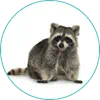
Raccoons are intelligent and highly adaptable, often entering homes in Whitby.
Skunks are common around Whitby yards and green spaces.

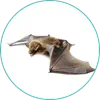
Bats are important for insect control but can pose hazards inside homes.
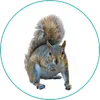
Squirrels may seem harmless but can cause significant property damage.
How to Protect Your Whitby Home
Abell’s wildlife control services include:
FAQ
Can squirrels and raccoons actually damage my home?
The damage can be more serious than most homeowners expect. Both animals tear through insulation, compromise roofing and ventilation systems, and chew electrical wiring, creating costly repairs and a real fire hazard.
What diseases do raccoons, skunks, squirrels, and bats carry?
All four animals pose health risks that shouldn't be taken lightly. Raccoons can transmit rabies, leptospirosis, and raccoon roundworm, and their droppings may harbor histoplasmosis. Skunks are associated with rabies and leptospirosis. Squirrels can spread leptospirosis and salmonella through urine, droppings, or bites, and often bring fleas, mites, and ticks into the home. Waste from any of these animals can seriously contaminate enclosed spaces like attics.
Why do animals like raccoons, skunks, bats, and squirrels end up inside attics, chimneys, and under decks?
Wildlife gravitates toward quiet, enclosed spaces that offer shelter from predators and harsh weather, especially during nesting and overwintering seasons. Attics, chimneys, wall cavities, and under-deck areas provide exactly what they're looking for. Intrusions are most common in spring when females search for places to raise their young, and in fall when animals prepare for winter. All it takes is one small gap in a roofline, vent, or soffit.
How do I know if an animal has gotten into my attic?
Several signs point to a wildlife intrusion: scratching or thumping noises coming from above, chewed or broken roof vents and soffits, droppings, unexplained odours, or insulation that looks disturbed or pulled apart.
When is wildlife most active near residential homes?
Spring and fall see the highest levels of wildlife activity. Spring brings nesting season, when animals actively seek out warm, protected spaces to raise their litters. Fall triggers a second wave as animals look for places to shelter through winter. Attics, crawl spaces, chimneys, and under-deck areas are most at risk during both periods.
Is wildlife removal a humane process?
Yes. Humane wildlife control focuses on safely evicting animals and preventing re-entry rather than causing harm. Abell uses one-way doors, exclusion techniques, and live trapping where permitted, always following local regulations and ethical standards. The goal is to protect both the homeowner and the animal.
Are raccoons dangerous to people and pets?
They can be. Raccoons carry serious diseases including rabies, leptospirosis, and raccoon roundworm. They can also become aggressive when cornered or when protecting their young, posing a real risk to both household pets and people.
Why is something digging up my lawn at night?
Raccoons and skunks are almost certainly the cause. Both animals dig up grass and soil in search of grubs, insects, and larvae. If it's happening consistently, there's a strong chance an animal is living nearby, possibly denning under a deck or shed.
What should I do if I spot a skunk or raccoon on my property?
Keep your distance and don't attempt to engage with it. Contact Abell for a professional assessment to determine whether the animal has already found a way inside your home.
What happens to animals after they're removed?
Abell favours exclusion over trapping wherever possible. One-way doors allow animals to leave on their own without being handled. When trapping is required, it's done humanely and in accordance with local wildlife regulations.
How long does wildlife removal take?
It depends on the species and the extent of the situation. Simple cases can be wrapped up within a few days, while jobs involving young animals or significant exclusion work may take longer.
Can I seal the entry point myself?
It's strongly advised against. Sealing an opening before all animals have exited can trap them inside, leading to further damage, persistent odours, and health risks. A proper inspection must come first to confirm every access point has been identified and the space is clear before any repairs are made.
How can I keep wildlife from coming back?
Seal all entry points, install chimney caps and vent covers, trim back branches that hang over the roofline, remove accessible food sources, and use professional exclusion services for lasting protection.
What should I do if I find a sick, injured, or dead animal on my property?
Do not touch it. Sick or injured wildlife can be unpredictable and may carry disease. Contact a professional wildlife control company to handle the situation safely.
My pet was sprayed by a skunk or came into contact with wildlife. What should I do?
Keep your pet away from the animal and avoid touching it yourself. Skunk spray generally requires professional deodorization, and any contact between a pet and wildlife should be evaluated by a veterinarian due to the risk of disease transmission.
How much does wildlife removal cost in Whitby?
Costs vary depending on species, infestation severity, and required services. Contact Abell for a personalized on-site quote.