Raccoons, Skunks, Bats and Squirrels
If wildlife has invaded your attic, shed, or space under your deck, Abell provides fast, safe, and humane wildlife removal in Sault Ste. Marie, Ontario. Our professional team protects your home, family, and pets while keeping unwanted wildlife out for good.
Sault Ste. Marie’s combination of residential neighborhoods, waterfront areas along the St. Mary’s River, and nearby natural spaces such as Huron Beach, Bellevue Park, and the Garden River corridor creates an ideal environment for raccoons, skunks, bats, and squirrels. Wildlife activity is highest during spring and fall when animals search for warm nesting areas or safe spots to overwinter during Northern Ontario’s cold winters.
Even a small wildlife intrusion can lead to chewed wires, damaged insulation, or health hazards. Call Abell today to schedule a local wildlife inspection and protect your Sault Ste. Marie home.
Common Wildlife in Sault Ste. Marie
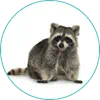
Raccoons are intelligent, adaptable, and one of the most common wildlife intruders in Ontario homes.
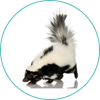
Skunks are a common nuisance, especially near residential yards and waterfront areas.
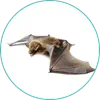
Bats are beneficial for insect control but can pose risks when they roost in homes.
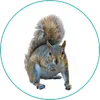
Squirrels may appear harmless, but they can cause serious damage in homes.
How to Prevent Wildlife in Sault Ste. Marie
Leave It to the Professionals.
Wildlife is unpredictable and handling it yourself puts you at risk. Abell's team inspects your home, identifies every entry point, removes animals safely using one-way doors, and seals everything up so they can't get back in.
Safe for your family. Safe for the animals. Done right the first time.
Call Abell today to book your wildlife inspection.
FAQ
Why are raccoons, skunks, bats, and squirrels drawn to my home?
Homes offer exactly what wildlife is looking for: warmth, shelter, and protection from predators. Attics, wall cavities, chimneys, and the space under decks and sheds are especially attractive. Intrusions spike in spring when females are searching for places to give birth, and again in fall as animals prepare for winter. A single gap in a roofline, soffit, or vent is all it takes.
What are the signs that an animal has gotten into my attic or walls?
Listen for scratching, scurrying, or thumping sounds coming from above or inside your walls, particularly at night. Other indicators include damaged or displaced roof vents, chewed soffits, unexplained odours, droppings, or insulation that appears disturbed. If you notice any of these, an inspection should happen sooner rather than later.
How serious is the damage wildlife can cause inside a home?
More serious than most people expect. Raccoons and squirrels tear through insulation, damage roofing and ventilation systems, and chew through electrical wiring. Gnawed wiring is not just a repair issue, it is a genuine fire hazard. Waste from any of these animals can also contaminate attic spaces and create lasting odour problems.
What diseases can raccoons, squirrels, skunks, and bats pass on to people or pets?
The health risks are real and worth taking seriously. Raccoons are associated with rabies, leptospirosis, and raccoon roundworm. Skunks can also carry rabies and leptospirosis. Squirrels may spread leptospirosis and salmonella through droppings, urine, or bites, and frequently introduce fleas, ticks, and mites into the home. Accumulated waste in enclosed spaces like attics can pose significant contamination risks.
Are raccoons a danger to my family or pets?
Yes, potentially. Raccoons can carry serious diseases and are known to become aggressive when cornered or protecting their young. Both household pets and people can be at risk from a direct encounter. If a raccoon is regularly appearing on your property, a professional assessment is the safest next step.
Why is something digging up my lawn overnight?
Raccoons and skunks are the most likely culprits. Both species dig through grass and soil in search of grubs, insects, and larvae. Repeated digging in the same area often indicates an animal is denning nearby, possibly under a deck or shed.
When is wildlife activity highest around residential properties?
Spring and fall are the peak periods. In spring, nesting season drives animals to actively seek out warm, enclosed spaces to raise their young. Fall brings a second wave as animals look for somewhere to shelter through the colder months. Attics, crawl spaces, chimneys, and under-deck areas are most vulnerable during both seasons.
Is wildlife removal safe for the animals?
Yes. Humane wildlife control prioritizes eviction and prevention over harm. Abell uses one-way doors, exclusion methods, and live trapping where permitted, always in accordance with local regulations. The aim is to resolve the situation safely for both the homeowner and the animal.
What happens to animals once they are removed from my home?
Where possible, Abell relies on exclusion rather than trapping. One-way doors allow animals to exit on their own without being handled or stressed. When trapping is necessary, it is carried out humanely and in full compliance with local wildlife regulations.
How long does a wildlife removal job typically take?
It varies depending on the species and complexity of the situation. Straightforward cases can be resolved within a few days. Jobs that involve dependent young or more extensive exclusion work may require additional time to complete properly.
Can I just seal the entry point myself to solve the problem?
This is strongly discouraged. Blocking an opening before confirming all animals have exited can trap them inside, leading to greater damage, persistent odours, and serious health hazards. A thorough inspection must come first to identify every access point and verify the space is clear before any sealing or repairs begin.
What should I do if I spot a skunk or raccoon on my property?
Keep your distance and do not try to engage with it. Contact Abell for a professional assessment to determine whether the animal has already found a way inside your home or is denning nearby.
My pet had contact with a skunk or other wildlife. What should I do?
Keep your pet away from the animal and avoid handling it yourself. Skunk spray typically requires professional deodorization. Any contact between a pet and wildlife should be evaluated by a veterinarian given the potential for disease transmission.
I found a sick, injured, or dead animal on my property. What now?
Do not touch it. Sick or injured wildlife can behave unpredictably and may carry disease. Contact a professional wildlife control company to handle removal safely and responsibly.
How can I stop wildlife from getting back into my home?
Long-term prevention involves sealing all entry points, installing chimney caps and vent covers, cutting back tree branches that overhang the roofline, eliminating accessible food sources, and investing in professional exclusion services. Addressing the root causes is what keeps animals from returning.
How much does wildlife removal cost in Sault Ste. Marie?
Costs vary depending on species, infestation severity, and services required. Contact Abell for a personalized on-site quote.