Potted plants add beauty to homes and offices, and caring for them can be rewarding. However, plants can also attract insects that feed on foliage, soil, or roots. These pests can damage plants and sometimes spread into other parts of your home.
Using proven prevention strategies and monitoring regularly are the best ways to reduce insect pressure on houseplants and container gardens.
Common Insects That May Affect Potted Plants,
Various insects can be attracted to potted plants, especially when conditions are warm or when plants are stressed. Common pests include miniature sap-sucking insects, small chewing insects, and soil-dwelling species. These pests can weaken plants, reduce growth, or create conditions favorable for mold and disease.
Preventing Insects with Good Plant Care
Start With Healthy Plants
Healthy plants are less attractive and more resilient to pests. Providing appropriate light, water, and nutrition helps plants maintain strength and resistance. Avoid overwatering or overfertilizing, as excess moisture and lush growth can make plants more vulnerable to insects.
Inspect New Plants Before Bringing Them Home
Before placing a new plant near others, inspect leaves, stems, and soil for signs of insects or eggs. Quarantining new plants for a period before mixing them with existing plants can help prevent infestations from spreading.
Monitor and Scout Regularly
Regular inspection is key to early detection. Look at leaves, stems, and soil at least once or twice a week to spot insects early before populations build. Prompt action can prevent small problems from becoming larger ones.
Use Physical Barriers and Sanitation
Maintaining cleanliness and removing hiding places helps reduce the chances of insect establishment.
When Pests Appear
If insects are detected, simple cultural and mechanical controls can be effective. For example:
These approaches are part of integrated pest management (IPM), which emphasizes early detection and response.
When Professional Help Is Needed
Persistent or widespread insect activity may require professional assessment. Abell Pest Control technicians can identify the pest, determine how it’s entering or establishing, and recommend targeted, safe solutions tailored to your space.
At Abell, we use integrated pest management principles, focusing on prevention, monitoring, and responsible treatment to protect homes and indoor plants without unnecessary pesticide use. Our goal is to help you maintain healthy plants while reducing the risk of pest problems around your home.
If insects are damaging your potted plants or you’re concerned about pest movement into your living spaces, Abell is here to help.
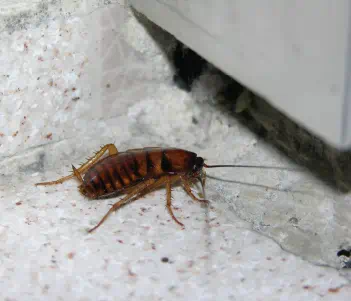
You probably already know that most people are repulsed by the simple sight of cockroaches. If you are personally dealing with a cockroach infestation, the feelings of disgust are probably even more intense. Unfortunately, the cold winter weather tends to be one of the reasons this pest ends up in your home in the first place, according to Any Pest. While you may know that you don't want to share your home with cockroaches this winter, there are a number of interesting facts about this pest that you've probably never heard.

Because of the high amount of traffic and the versatility of the facilities, pests are naturally attracted to long-term care institutions. Many nursing homes, rehabilitation centers and other care facilities include on-site kitchens and cafeterias as well as private rooms and common spaces. All of these places are susceptible to attracting pests because of the presence of food, water and viable habitats.

During the summer months, some people love to go camping with family and friends. Yet this fun trip can be ruined with a few unwanted visitors, most notably different types of bugs. Crawling spiders, hungry mosquitoes and buzzing flies can become annoying quickly. How can you avoid these pests when you're outdoors? Consider these tips to keep bugs out of your campsite.

Carpenter ants can chew through the strongest studs and stringers in a house as they hollow the wooden beams out for nesting. The resulting damage can weaken the home's structural support and require expensive repairs. Professional pest control workers can remove a colony of ants, but the best practice for homeowners is to learn the best ways to keep out an ant colony and prevent the problem before it begins.
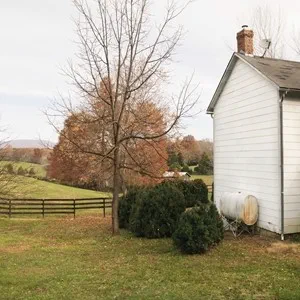
As the weather cools, you'll probably see fewer pests than you did during the warmer months, but that doesn't mean they're all gone just yet. Some insects can actually come out in full force during the autumn, while others might seek refuge in your warm home. Here are some key tips to keep in mind as fall gets underway:
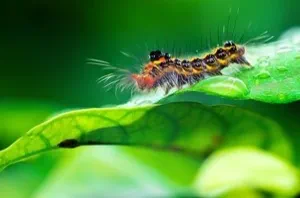
As the middle of summer approaches, you need to be vigilant about keeping your garden free of pests. Many insects breed during the summertime, which means they're on the lookout for great places to lay their eggs. For many bugs, that means near a source of food. In fact, some species of insects will lay their eggs inside budding vegetables and fruit so their larvae have something to eat as soon as they hatch. That's why you have to keep harmful bugs out without damaging the bugs that could help you, such as bumble bees.
You might have noticed that, with the exception of the kitchen, you find more pests in your bathroom than in the rest of your home. This is because insects and rodents see the bathroom as a convenient watering hole. Pests love leaky pipes and standing water because these offer them a hydrating oasis in the otherwise dry biome that is your house or apartment. And if your bathroom develops mold, all the better for pests, who may eat fungus or use it to lay their eggs.