Raccoons, Skunks, Bats, and Squirrels
Kanata's parks, woodlots, and waterways make it a great place to live. They also bring raccoons, skunks, bats, and squirrels right to your doorstep, especially in spring and fall when animals are actively looking for somewhere to nest or wait out the cold.
Once one gets into your attic, crawl space, shed, or under your deck, the damage is faster than most people expect. Chewed wiring, ruined insulation, contaminated materials. It's not a problem that gets better on its own.
Abell removes wildlife humanely, seals every entry point, and keeps them from coming back. Book your Kanata inspection today.
Common Wildlife Issues in Kanata
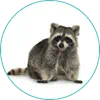
Raccoons are highly intelligent and adaptable mammals that often take advantage of residential and commercial properties.
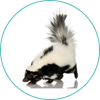
Skunks are known for their strong odor but also pose property and health concerns in Kanata.
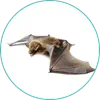
Bats are ecologically important and legally protected in Ontario, but they should not remain inside homes.
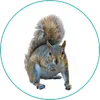
Squirrels may appear harmless but can cause significant damage once inside a home.
How to Keep Wildlife Out of Your Kanata Home
Leave It to the Professionals.
Wildlife is unpredictable, and handling it yourself puts you at risk. Abell's team inspects your home, identifies every entry point, removes animals safely using one-way doors, and seals everything up so they can't get back in.
Safe for your family. Safe for the animals. Done right the first time.
Call Abell today to book your wildlife inspection.
FAQ
Why is something digging up my lawn every night?
Raccoons and skunks are the usual suspects. Both dig through grass looking for grubs and insects, and if it's happening repeatedly in the same spot, there's a good chance one of them is denning nearby, under your deck or shed. It's worth having someone take a look before they get any closer to the house.
I heard scratching in my walls last night. Should I be worried?
Yes, don't ignore it. Scratching, scurrying, or thumping from your walls or ceiling, especially at night, usually means something has already found its way in. Other signs: damaged vents or soffits, unexplained odors, droppings, or disturbed insulation. The sooner you act, the less damage you're dealing with.
Can't I just block the hole myself and be done with it?
This is one of the most common mistakes we see, and it almost always makes things worse. If an animal is still inside when you seal the opening, it's trapped. That means more damage, persistent odour, and a serious health hazard. Every animal needs to be out first, all entry points identified, and only then should anything be sealed. That's what a proper inspection is for.
What kind of damage can a raccoon or squirrel actually do inside a house?
More than most people expect. They tear through insulation, damage roofing and ventilation, and chew electrical wiring, which isn't just a repair bill, it's a fire risk. Their waste contaminates attic spaces and creates odour problems that don't go away on their own. What starts as a small intrusion can become a costly problem fast.
My dog got into it with a skunk. Now what?
Keep your pet away from the animal and don't try to handle the skunk yourself. Skunk spray typically needs professional deodorization since store-bought remedies rarely cut it. More importantly, any contact between a pet and wildlife should be followed up with your vet. The disease risk is real and worth taking seriously.
How do you remove the animals, and what happens to them?
We use exclusion to get animals out without handling or stressing them. One-way doors let them leave on their own, and once they're out, we seal the entry points so they can't get back in. The goal is a safe resolution for you and for the animal.
Are raccoons dangerous, or just a nuisance?
Both, but dangerous is the word that matters. Raccoons carry rabies, leptospirosis, and raccoon roundworm. They can become aggressive when cornered or protecting their young. Pets and people are both at risk from a direct encounter. If a raccoon is regularly showing up on your property, get a professional assessment.
What diseases can these animals pass on to my family or pets?
The risks are real. Raccoons and skunks can carry rabies and leptospirosis. Squirrels can spread leptospirosis and salmonella through droppings, urine, or bites, and they frequently bring fleas, ticks, and mites into the home. Accumulated waste in an enclosed space like an attic adds to the problem significantly. This is not something to wait out.
Why do animals keep targeting my house?
Your home offers everything they're looking for: warmth, shelter, and protection from predators. Attics, wall cavities, chimneys, and the space under decks are particularly attractive. All it takes is one gap in a roofline, soffit, or vent. If an animal has found its way in before, others will too unless the entry points are properly sealed.
I found a sick or dead animal in my yard. What should I do?
Don't touch it. Sick wildlife can behave unpredictably and may carry disease. Call a professional to handle removal safely. It's not worth the risk.
How long does this whole process take?
It depends on the species and the situation. Straightforward cases can be wrapped up within a few days. If there are dependent young involved, or the exclusion work is more extensive, it takes longer. Rushing it creates more problems than it solves. We'll give you a clear timeline once we've assessed the situation.
There's a raccoon or skunk hanging around my property. Should I do anything?
Don't approach it or try to scare it off yourself. Give Abell a call. We'll check whether it's already found a way into your home or is denning somewhere nearby. Catching it early is always easier than dealing with it after it's settled in.
Once the animals are gone, how do I keep them from coming back?
Sealing every entry point is the starting place. Beyond that: chimney caps, proper vent covers, trimming tree branches that hang over your roofline, and eliminating anything that might attract them, like accessible garbage or pet food left outside. Exclusion done right is what keeps them from coming back. We can walk you through exactly what your property needs.
What time of year should I be most concerned about wildlife getting in?
Spring and fall are when we're busiest. In spring, nesting season pushes animals to find warm, enclosed spaces to raise their young. Fall brings a second wave as they look for somewhere to wait out the cold. Attics, crawl spaces, chimneys, and under-deck areas take the most hits during both seasons, which is why a proactive inspection in early spring or late summer is a smart call.
Is the removal process safe for the animals?
Yes. Humane wildlife control means eviction and prevention, not harm. We use one-way doors, exclusion methods, and live trapping where permitted, always within local regulations. The goal is a resolution that works for everyone.
How much does wildlife removal cost in Kanata?
Wildlife removal costs can vary depending on the species, the severity of the infestation, and the services required (such as exclusion, cleanup, or repairs). For a customized quote, contact Abell Pest Control for an on-site inspection and estimate.