Raccoons, Skunks, Bats and Squirrels
Cambridge’s mix of residential neighbourhoods, riverfront areas along the Grand and Speed Rivers, and surrounding farmland creates an environment where wildlife like raccoons, skunks, bats, and squirrels are commonly found. These animals often seek out attics, crawl spaces, sheds, and spaces under decks, particularly during spring and fall when they are looking for safe, quiet areas to nest or overwinter.
Even a small wildlife intrusion can result in chewed electrical wiring, torn insulation, contaminated attic spaces, and health risks. Abell provides fast, safe, and humane wildlife removal in Cambridge. Our team inspects your property, removes wildlife safely, seals entry points, and implements long-term prevention strategies to protect your home and family year-round.
Whether your property is near the rivers, wooded parks, or rural farmland, we provide expert wildlife control and prevention solutions. Schedule a professional inspection today.
Common Wildlife Problems in Cambridge
Skunks are common throughout Cambridge and can damage lawns, gardens, and foundations.

Raccoons are highly adaptable and frequently invade homes near Cambridge’s rivers, parks, and wooded areas.

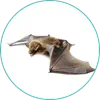
Bats are valuable for insect control but can cause issues when roosting in homes.
Squirrels are highly active in Cambridge, especially during colder months.

How to Keep Wildlife Away from Your Cambridge Home or Business
Leave Wildlife Control to the Professionals
Wildlife can be unpredictable and dangerous. Attempting removal yourself may lead to injury, property damage, or legal issues. Professional wildlife control is the safest and most effective solution.
If you suspect wildlife in your attic, crawl space, or yard, call Abell today for expert removal in Cambridge. Our local team provides fast, professional service backed by years of experience and a satisfaction guarantee.
FAQ
How do I know if wildlife is living in my attic?
Scratching or thumping noises, damaged roof vents or soffits, droppings, strong odours, and disturbed insulation are common signs.
Are raccoons or skunks dangerous to people or pets in Cambridge?
Yes. Raccoons can carry diseases such as rabies, leptospirosis, and raccoon roundworm, and may also become aggressive if cornered or if their young are nearby, posing a risk to both humans and pets.
Can squirrels and raccoons damage my home?
Yes. Squirrels and raccoons can tear through roofs, vents, and soffits, chew wiring, and damage insulation, creating fire hazards and costly repairs.
Why do wildlife animals choose attics and spaces under decks?
Wildlife seek quiet, warm, enclosed spaces that provide protection from predators and weather, especially during spring nesting and fall sheltering.
When are raccoons, skunks, bats, and squirrels most active in Cambridge?
Wildlife activity peaks in spring and fall. Spring is nesting season, while fall is when animals look for warm shelter near rivers, wooded areas, and residential neighborhoods.
Why are raccoons or skunks digging up my lawn at night in Cambridge?
Raccoons or skunks may be digging up your lawn searching for insects and grubs. Repeated digging may indicate wildlife is nesting under a deck, shed, or garage.
Is wildlife control humane?
Yes. Humane wildlife control focuses on safely removing animals without harm and preventing re-entry. Abell uses one-way doors, exclusion techniques, and live trapping where permitted, all while following local regulations and ethical standards. The goal is always to protect both the homeowner and the animal.
How long does wildlife removal take?
Some removals are completed in a few days; others take longer if young animals are present or extensive exclusion work is required.
Can I seal an entry hole myself to keep animals out?
Sealing without inspection can trap animals inside, causing damage and health risks. Professionals ensure safe removal before repairs.
What diseases can raccoons, skunks, bats, and squirrels carry?
Raccoons, skunks, bats and squirrels can carry a range of diseases that pose risks to people and pets. Raccoons are known carriers of rabies, raccoon roundworm, and leptospirosis, and their droppings can also harbor histoplasmosis. Skunks may carry rabies and leptospirosis. Squirrels can transmit leptospirosis and salmonella through their urine, droppings, or bites, and may also introduce parasites like fleas, mites, and ticks into your home. Droppings and urine from any of these animals can contaminate attic spaces and pose serious health risks, especially in enclosed areas.
What should I do if I find a sick, injured, or dead wild animal on my property in Cambridge?
Do not touch wildlife. Sick or injured wildlife can carry diseases and may behave unpredictably. Contact Abell to safely assess and handle the situation.
What should I do if my pet has been sprayed by a skunk or contacted wildlife?
Keep pets away from the animal and avoid contact with wildlife. Skunk spray often requires professional deodorization, and any contact with wildlife should be monitored by a veterinarian due to potential disease exposure.
How much does wildlife removal cost in Cambridge?
Costs vary depending on species, damage, and services such as exclusion or repairs. Contact Abell for an on-site inspection and customized estimate.