Raccoons, Skunks, Bats, and Squirrels
When wildlife moves into your attic, shed, or under your deck, every day without action means more damage. Abell provides fast, safe, and humane wildlife removal across Edmonton, protecting your property, your family, and your pets while making sure the problem doesn't come back.
Edmonton’s mix of residential neighbourhoods, river valleys, and nearby green spaces, like the North Saskatchewan River Valley, Whitemud Park, and Elk Island National Park, provides excellent habitat for raccoons, skunks, bats, and squirrels. These animals are most active in spring and fall when they seek secure spaces for nesting or overwintering.
Even a single point of entry can lead to chewed wiring, shredded insulation, structural damage, and serious health risks from droppings and disease. Abell's wildlife specialists remove the animal, seal every entry point, and put long-term prevention measures in place so your home stays protected season after season.
Common Wildlife in Edmonton
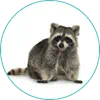
Raccoons are highly adaptable and excellent climbers. They can reach rooftops by climbing trees, fences, or other structures and tear through shingles, soffits, or vents to access attics.
Once inside, they can damage insulation, chew wiring, and leave droppings that may carry rabies, leptospirosis, and raccoon roundworm. They may also burrow under decks or sheds, which can weaken foundations. Professional exclusion and sealing of all entry points are essential. Attic restoration may be required if damage has occurred.
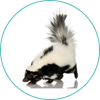
Skunks are notorious for their odor, but they can also dig under decks, porches, and sheds, destroying lawns and damaging structures. They carry diseases like rabies, leptospirosis, and roundworm, and their spray can cling to pets and surfaces. Licensed wildlife experts use humane traps and exclusion methods to safely remove skunks and prevent re-entry.
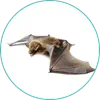
Bats help control insects but can be a serious problem when they roost in homes. They often enter through small gaps in rooflines, soffits, chimneys, or vents. Bat droppings (guano) can damage insulation and wood and may carry histoplasmosis. Bats may also carry rabies. Humane removal requires trained professionals using one-way doors and exclusion devices. A thorough attic inspection ensures all entry points are located and sealed, preventing future infestations.
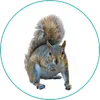
Squirrels can cause extensive damage despite their small size. They enter through gaps near vents, soffits, or rooflines and gather insulation or wiring to build nests. Chewed wiring is a fire hazard, and squirrels may bring parasites such as fleas, mites, or ticks. Professional removal and repairs help prevent repeat infestations.
How to Keep Wildlife Away
Why Choose Abell
Wildlife can be unpredictable and dangerous. Attempting removal yourself puts you at risk.
Abell provides safe, humane, and lasting solutions, including:
Our methods follow local regulations and prioritize safety for both homeowners and animals.
Call Abell for humane wildlife removal in Edmonton. Our local team is available 24/7, and every job is backed by our satisfaction guarantee.
FAQs
Is wildlife control a humane process?
Absolutely. Humane wildlife control is built around safely relocating animals and blocking future entry without causing harm. Abell relies on one-way doors, exclusion methods, and live trapping where the law allows, always in line with local regulations and ethical practices. Protecting both the homeowner and the animal is the priority.
How can I tell if an animal has moved into my attic?
Watch for scratching or thumping sounds overhead, gnawed or broken roof vents and soffits, animal droppings, strong unexplained odours, or insulation that's been disturbed or displaced.
Are raccoons a threat to my family or pets?
They can be. Raccoons are known to carry serious illnesses including rabies, leptospirosis, and raccoon roundworm. They can also turn aggressive when cornered or when protecting their young, making them a genuine risk to both people and household pets.
Can raccoons and squirrels cause structural damage to my home?
Yes, and the damage can be significant. Both animals are known to rip apart insulation, breach roofing and ventilation systems, and gnaw through electrical wiring, creating expensive repair bills and potential fire hazards.
Why do raccoons, skunks, squirrels, and bats gravitate toward attics, chimneys, and spaces under decks?
Raccoons, skunks, squirrels and bats are drawn to sheltered, low-traffic spaces that offer warmth and protection from predators, particularly when nesting or preparing for winter. Attics, chimneys, wall cavities, and the areas beneath decks check all those boxes. Intrusions spike in spring, when females are looking for safe places to raise litters, and again in fall as animals prepare for the cold. A surprisingly small gap in a roofline, vent, or soffit is all the access they need.
What should I do if a skunk or raccoon shows up on my property?
Give it space and don't attempt to interact with it. Reach out to Abell for a professional evaluation to find out whether the animal has already found a way inside your home.
How do I stop wildlife from returning after removal?
Close off all potential entry points, add chimney caps and protective vent covers, cut back tree branches that hang over the roofline, eliminate accessible food sources, and invest in professional wildlife exclusion services for long-term protection.
When is wildlife most active around Edmonton homes?
Spring and fall are peak seasons for wildlife activity in Edmonton. Animals enter nesting mode in spring, searching for secure spots to raise their young, while fall sends them looking for warm places to wait out winter. Attics, crawl spaces, chimneys, and under-deck areas are especially vulnerable during both periods.
Why is something digging up my lawn overnight?
Raccoons and skunks are the most likely culprits, they tear up grass hunting for grubs, insects, and larvae beneath the surface. In Edmonton, this is especially common in neighbourhoods close to green spaces and storm ponds. If it's happening repeatedly, there's a good chance an animal is denning nearby, possibly under a deck or shed.
What happens to wildlife once it's been removed?
Abell prioritizes exclusion over trapping whenever possible. In most cases, one-way doors are installed to let animals exit naturally, without any handling required. When trapping is necessary, it's carried out humanely and in full compliance with applicable local regulations.
How much time does wildlife removal typically take?
It varies by species and circumstances. Straightforward situations may be resolved within a few days, while cases involving young animals or extensive entry point repairs can take considerably longer.
Can I just seal the hole myself to keep animals out?
This is strongly discouraged. Closing off an opening before confirming all animals have exited can trap them inside, leading to further damage, persistent odours, and serious health concerns. The right approach always starts with a full inspection to locate every access point and verify the space is clear before any sealing begins.
What diseases can raccoons, skunks, squirrels, and bats transmit?
Each of these animals carries health risks worth taking seriously. Raccoons can spread rabies, raccoon roundworm, and leptospirosis, and their droppings may also contain histoplasmosis. Skunks are potential carriers of rabies and leptospirosis. Squirrels can pass along leptospirosis and salmonella through droppings, urine, or bites, and may introduce fleas, mites, or ticks into your home. Waste from any of these animals can contaminate attic spaces and create significant health hazards, particularly in enclosed environments.
What should I do if I come across a sick, injured, or dead animal on my property?
Don't touch it. Sick or injured wildlife is unpredictable and may be carrying disease. Call a professional wildlife control company to assess and handle the situation safely.
My pet encountered wildlife or got sprayed by a skunk, what now?
Keep your pet away from the animal and avoid contact yourself. Skunk odour typically calls for professional deodorization treatment, and any wildlife encounter involving a pet should be followed up with a veterinarian, given the disease risks involved.
How much does wildlife removal cost in Edmonton?
Costs vary depending on species, severity, and required services. Abell provides on-site inspections and personalized quotes.