Food Manufacturing brings together and mixes several different sciences; toxicology, microbiology and entomology are just a few aspects of this complex industry. Even though these sciences are different they all play an important role in maintaining the food plants integrity and ability to produce safe and sanitary food.
Sanitary design pulls all aspects of the processing/warehousing facility together and can create an ease of cleaning and elimination of food sources for structure infesting pests. The plant layout, structural areas, equipment, electrical systems and the construction all effect pest activity and can all provide potential harbourage areas and or food sources. The food manufactures focus should be altering the design affecting cleaning and maintenance practices. This allows the process to be easier to perform and thus creates more efficient work time.
Here are some easy steps to take to modify the working environment of the facility and in turn reducing the possibility for pest occurrences:
Let’s also remember, when contractors are on site doing repairs, adequate training on your facilities GMP’s are essential. When contractors are called in to repair the floor to prevent pests, we don’t want them to leave an exterior door open to let more in!
Following simple designs, keeping the ease of sanitation in mind during the construction stages will save the company; cleaning time, less possibility of pest activity which in turn equals cash savings and higher productivity!
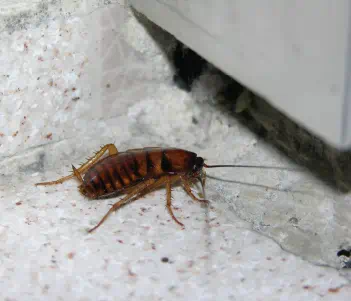
You probably already know that most people are repulsed by the simple sight of cockroaches. If you are personally dealing with a cockroach infestation, the feelings of disgust are probably even more intense. Unfortunately, the cold winter weather tends to be one of the reasons this pest ends up in your home in the first place, according to Any Pest. While you may know that you don't want to share your home with cockroaches this winter, there are a number of interesting facts about this pest that you've probably never heard.
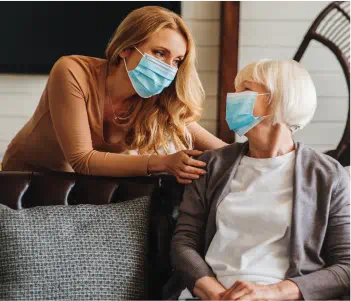
Because of the high amount of traffic and the versatility of the facilities, pests are naturally attracted to long-term care institutions. Many nursing homes, rehabilitation centers and other care facilities include on-site kitchens and cafeterias as well as private rooms and common spaces. All of these places are susceptible to attracting pests because of the presence of food, water and viable habitats.
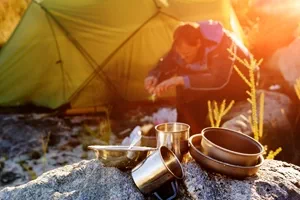
During the summer months, some people love to go camping with family and friends. Yet this fun trip can be ruined with a few unwanted visitors, most notably different types of bugs. Crawling spiders, hungry mosquitoes and buzzing flies can become annoying quickly. How can you avoid these pests when you're outdoors? Consider these tips to keep bugs out of your campsite.

Carpenter ants can chew through the strongest studs and stringers in a house as they hollow the wooden beams out for nesting. The resulting damage can weaken the home's structural support and require expensive repairs. Professional pest control workers can remove a colony of ants, but the best practice for homeowners is to learn the best ways to keep out an ant colony and prevent the problem before it begins.
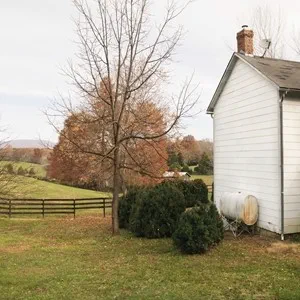
As the weather cools, you'll probably see fewer pests than you did during the warmer months, but that doesn't mean they're all gone just yet. Some insects can actually come out in full force during the autumn, while others might seek refuge in your warm home. Here are some key tips to keep in mind as fall gets underway:
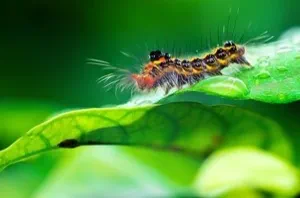
As the middle of summer approaches, you need to be vigilant about keeping your garden free of pests. Many insects breed during the summertime, which means they're on the lookout for great places to lay their eggs. For many bugs, that means near a source of food. In fact, some species of insects will lay their eggs inside budding vegetables and fruit so their larvae have something to eat as soon as they hatch. That's why you have to keep harmful bugs out without damaging the bugs that could help you, such as bumble bees.
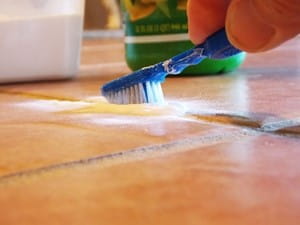
You might have noticed that, with the exception of the kitchen, you find more pests in your bathroom than in the rest of your home. This is because insects and rodents see the bathroom as a convenient watering hole. Pests love leaky pipes and standing water because these offer them a hydrating oasis in the otherwise dry biome that is your house or apartment. And if your bathroom develops mold, all the better for pests, who may eat fungus or use it to lay their eggs.
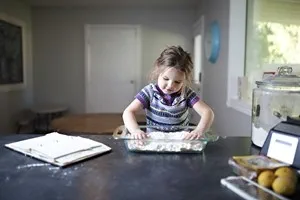
The kitchen is largest gathering place for pests in a residential home. The reason is simple: pests can grab a bite to eat and take a sip of water while they're here. And when they find such a bountiful place, they will return home to their nests and report the finding - before you know it, your whole pantry is a buffet for ants! The problem could get even worse if a piece of food falls somewhere and begins to rot. Similarly, fruit and vegetables you bring into your home may be harboring unseen pests waiting to hatch.