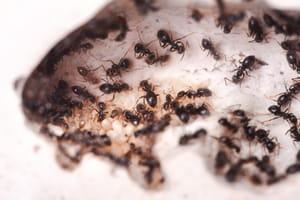
Ants often enter homes in search of food, particularly sweet, protein-rich, and greasy items. Certain species, such as pharaoh ants and pavement ants, may establish nests inside homes, which allows the colony to grow and makes the problem harder to control.
Preventing ants from establishing a presence in your kitchen is easier than dealing with a full infestation. The following strategies are supported by research and integrated pest management principles.
Limit Access to Food
Proper food storage is one of the most effective ways to reduce ant activity indoors:
Reducing available food sources makes your kitchen less attractive to foraging ants.
Seal Entry Points
Prevent ants from entering by eliminating cracks and gaps around doors, windows, and baseboards. Small openings can be sealed with caulk or weatherstripping. Closing potential entry points is a simple, research-supported method to deter infestations.
Avoid Temporary Solutions
Spraying visible ants with over-the-counter sprays or home remedies rarely resolves the problem. Ants you see foraging are only a small portion of the colony. Effective control requires addressing the nest and queen, which is why professional services are often necessary.
Professional Ant Control
Abell Pest Control uses integrated pest management strategies to identify the ant species, locate nests, and implement targeted solutions. Our approach focuses on long-term prevention and safe, effective treatment, protecting your home while minimizing unnecessary chemical use.

Because of the high amount of traffic and the versatility of the facilities, pests are naturally attracted to long-term care institutions. Many nursing homes, rehabilitation centers and other care facilities include on-site kitchens and cafeterias as well as private rooms and common spaces. All of these places are susceptible to attracting pests because of the presence of food, water and viable habitats.

During the summer months, some people love to go camping with family and friends. Yet this fun trip can be ruined with a few unwanted visitors, most notably different types of bugs. Crawling spiders, hungry mosquitoes and buzzing flies can become annoying quickly. How can you avoid these pests when you're outdoors? Consider these tips to keep bugs out of your campsite.

Carpenter ants can chew through the strongest studs and stringers in a house as they hollow the wooden beams out for nesting. The resulting damage can weaken the home's structural support and require expensive repairs. Professional pest control workers can remove a colony of ants, but the best practice for homeowners is to learn the best ways to keep out an ant colony and prevent the problem before it begins.

As the weather cools, you'll probably see fewer pests than you did during the warmer months, but that doesn't mean they're all gone just yet. Some insects can actually come out in full force during the autumn, while others might seek refuge in your warm home. Here are some key tips to keep in mind as fall gets underway:
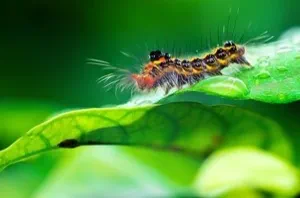
As the middle of summer approaches, you need to be vigilant about keeping your garden free of pests. Many insects breed during the summertime, which means they're on the lookout for great places to lay their eggs. For many bugs, that means near a source of food. In fact, some species of insects will lay their eggs inside budding vegetables and fruit so their larvae have something to eat as soon as they hatch. That's why you have to keep harmful bugs out without damaging the bugs that could help you, such as bumble bees.
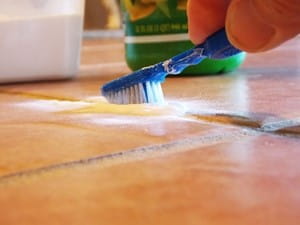
You might have noticed that, with the exception of the kitchen, you find more pests in your bathroom than in the rest of your home. This is because insects and rodents see the bathroom as a convenient watering hole. Pests love leaky pipes and standing water because these offer them a hydrating oasis in the otherwise dry biome that is your house or apartment. And if your bathroom develops mold, all the better for pests, who may eat fungus or use it to lay their eggs.
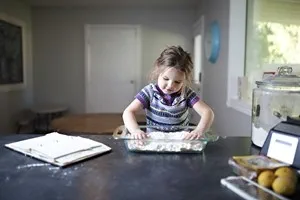
The kitchen is largest gathering place for pests in a residential home. The reason is simple: pests can grab a bite to eat and take a sip of water while they're here. And when they find such a bountiful place, they will return home to their nests and report the finding - before you know it, your whole pantry is a buffet for ants! The problem could get even worse if a piece of food falls somewhere and begins to rot. Similarly, fruit and vegetables you bring into your home may be harboring unseen pests waiting to hatch.
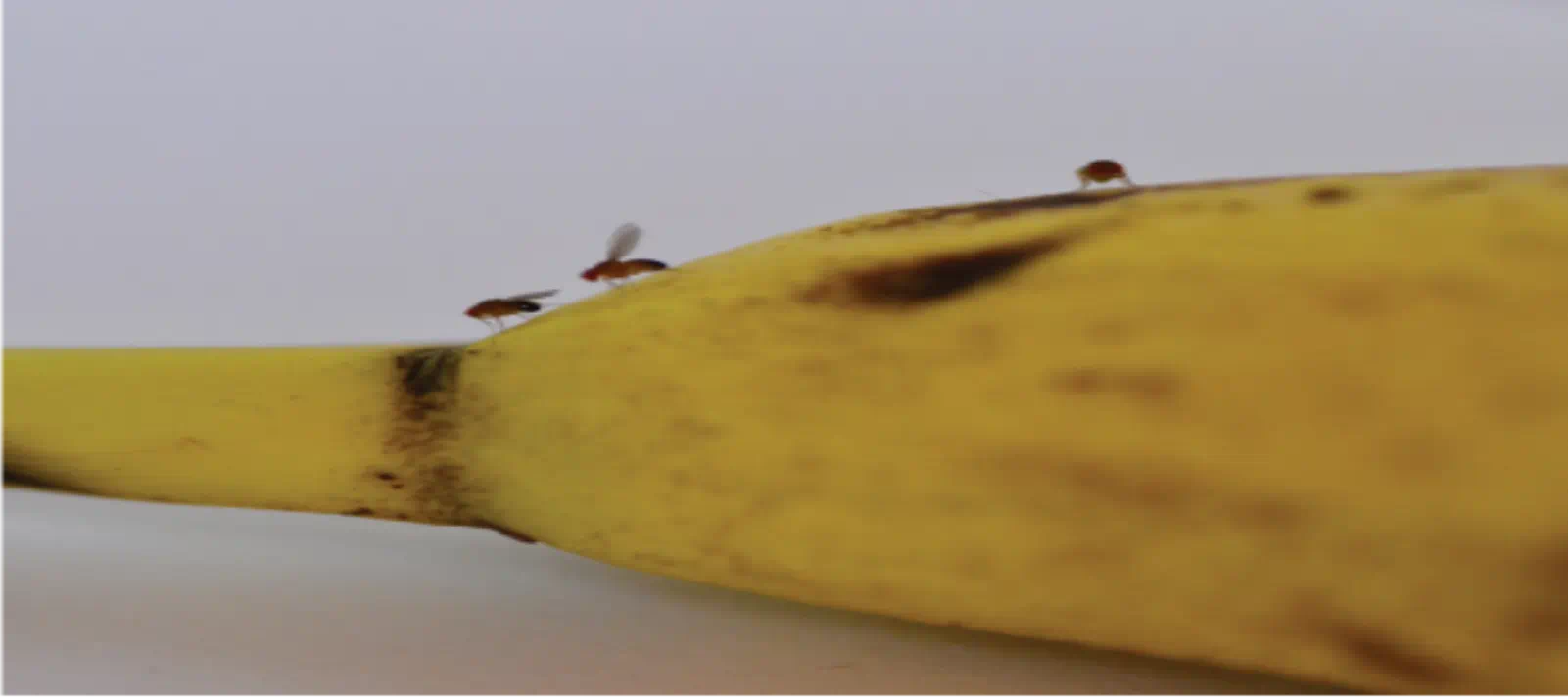
In the summer months, people love to stock up on fresh fruits and vegetables. Some even venture to farmers markets where the food is cheaper. However, not only do fruits come home with you, fruit flies may too. Once they've gotten acclimated in your home, they might stay all summer. These pests breed quickly, and tend to spread through whatever food you've got around. They also are happy to join in on any meal you have, be it a sit-down dinner or a barbecue in your backyard. Worst of all, like other flies, they carry disease. Consider these tips on how to prevent fruit flies from coming home with you.