As temperatures cool, many pests and wildlife species begin searching for sheltered places to spend the winter. Fall is an important time to identify and address conditions that may allow pests to enter or establish themselves around your property. Here are some of the most common pest concerns to watch for this season.
Wasps and Yellowjackets
Late summer and early fall are when yellowjacket colonies reach their largest size. As natural food sources become less available, these stinging insects are attracted to sugary foods, beverages, garbage, and recycling areas.
Most yellowjackets nest underground, often in abandoned rodent burrows, beneath landscaping features, or near building foundations. Nests may go unnoticed until routine outdoor activities disturb them.
To help reduce activity around your property:
If you discover a nest, avoid disturbing it and contact a pest management professional. While colonies typically die off after the first hard frost, active nests can remain a concern throughout the fall.
Rodents
As outdoor temperatures decline, mice and rats begin looking for warm, protected places to nest. Buildings provide ideal shelter, particularly when food, water, and entry points are readily available.
Rodents can enter through surprisingly small openings, making exclusion one of the most effective prevention measures.
Consider the following steps:
Early detection is important. Signs such as droppings, gnaw marks, scratching noises, or rub marks may indicate rodent activity and should be investigated promptly.
Boxelder Bugs and Other Overwintering Insects
Boxelder bugs, stink bugs, and Asian lady beetles are among the insects that seek shelter indoors as temperatures cool. These pests often gather on sunny exterior walls before moving into cracks, gaps, and voids around a building.
While they do not cause structural damage, large numbers can become a nuisance indoors, particularly during warmer days throughout the winter.
The most effective approach is prevention:
If insects do enter a building, vacuuming is generally recommended over crushing them, which can create stains or odours.
Wildlife Activity
Fall is also a common time for wildlife such as squirrels, raccoons, and bats to seek shelter in attics, wall voids, and other protected spaces.
Wildlife can damage building materials, contaminate insulation, and create ongoing maintenance issues if access points are not addressed.
To help prevent wildlife entry:
If wildlife activity is suspected, avoid handling animals or attempting removal yourself. Professional inspection and exclusion measures can help ensure animals are removed safely and entry points are properly addressed.
A Proactive Approach to Fall Pest Prevention
Many fall pest problems begin with small entry points, available food sources, or sheltered hiding areas around a property. Regular inspections, good housekeeping practices, and prompt maintenance can help reduce the likelihood of pests and wildlife becoming established as the weather changes.
By addressing these conditions early, you can help protect your property throughout the fall and winter months.

Autumn is a fun season because the leaves are changing color, the big holidays are right around the corner, and there's all kinds of new treats to try. But it's also the time of year when more pests may try to invade your home. As they look to escape from the chilly nights, pests might see your home as the perfect hideaway. Be prepared for some of the season's top pests by reading the tips below:
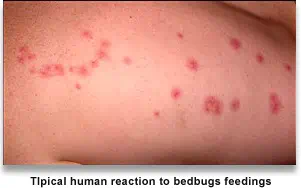
Summer is almost here and before you head out on a family trip or even if you travel for work, consider doing a little research so you become familiar with bed bugs. This will help you identify them quickly and it could keep you from bringing them home unknowingly!

With autumn in full swing, chances are you're spending more time outside, enjoying the changing colors. Hikes through the forest and walks through the park are great ways of enjoying the outdoors before the cold months of winter come. These activities are so much more enjoyable when you can take your beloved canine company with you. But when you do, you have to be wary about ticks and fleas. These parasites can spread disease at worst and make your pet very itchy at best. Keep reading to learn how to keep your pets pest free.
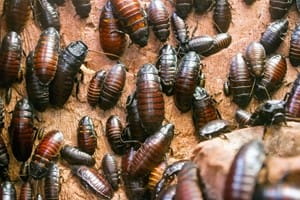
There are many situations where you can probably take care of a pest problem on your own. However, in some cases, it's better to call a professional pest control service before the problem gets out of control. Knowing when a pest invasion is too much to handle on your own is part of being a responsible property owner. That said, it can be tempting to handle every situation by yourself. Keep reading to learn how to tell when it's time to call in the professionals:
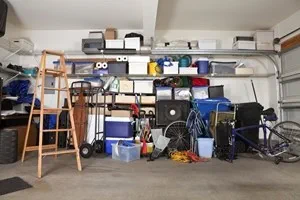
For some, the garage is a primarily a storage unit. If your household is one that keeps its vehicles parked in the driveway, you may have considered clearing out the garage or at least organizing it so that you can better locate your things. Another good reason to do so it because a cluttered garage makes it easier for pests to hide. In the summer months, pests might invade the space looking for some shade. During winter, rodents may take shelter from the cold. Perhaps worst of all, a swarm of bees or wasps could decide that an open wall is the perfect spot to build a nest. For these reasons alone, you should consider cleaning out your garage and inspecting it for pest damage. Read on to learn how: