Raccoons, Skunks, Bats, and Squirrels
If wildlife has found its way into your attic, walls, or under your deck, Abell can help. We provide professional, humane wildlife control in Columbus and surrounding areas, focusing on safe removal, prevention, and long-term protection for your home.
Columbus’s mix of older neighborhoods, suburban green spaces, rivers, and parks creates ideal conditions for raccoons, skunks, bats, and squirrels. These animals are especially active in spring and fall, seeking warm, protected spaces to nest or overwinter. Attics, sheds, and crawl spaces are often their first choice.
Even small intrusions can quickly lead to damage. Chewed wiring, torn insulation, strong odors, and health risks are common problems. At Abell, we remove wildlife humanely, seal entry points, and prevent animals from returning.
Common Wildlife in Columbus
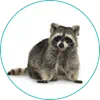
Raccoons are one of the most common wildlife issues in Columbus. They are expert climbers, often using trees, fences, or decks to reach roofs. Once inside attics, raccoons can tear insulation, damage vents or ductwork, and chew wiring. Their droppings may carry diseases. Without proper exclusion, raccoons can return repeatedly.

Skunks are often found under decks, porches, and sheds in Columbus. They dig for insects and create dens beneath structures, sometimes causing damage to foundations or landscaping. Skunks may carry rabies, and their spray leaves a strong odor that is difficult to remove without professional treatment.
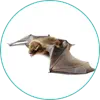
Bats are beneficial for controlling insects but should not be inside homes. In Columbus, bats often enter through small gaps in rooflines, chimneys, or vents. Their droppings, called guano, can contaminate insulation and create health risks. Because bats are protected, removal must be done carefully and at the right time of year. Abell uses humane exclusion methods to allow bats to leave safely while preventing them from coming back.
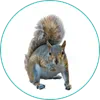
Squirrels may seem harmless, but they can cause serious problems indoors. They can enter through roof vents, soffits, or small openings and build nests using insulation and wiring. Squirrels frequently chew wires, creating fire hazards, and can continue causing damage and noise until properly removed.
How to Reduce Wildlife Activity Around Your Columbus Home
Wildlife situations can be unpredictable, and attempting removal on your own can be risky. Abell's trained wildlife control team handles every situation safely, efficiently, and in compliance with local regulations.
Our process includes:
Think you have wildlife in your attic or crawl space? Call Abell today for trusted wildlife control in Columbus. We’re available 24/7, and every service is backed by our satisfaction guarantee.
FAQs
How can I tell if wildlife is in my attic or walls?
Scratching or thumping noises, damaged vents or soffits, droppings, strong odors, and disturbed insulation are common signs.
Why is wildlife common around Columbus homes?
Columbus’s wooded areas, river valleys, and older homes provide shelter and food, especially during spring and fall.
Is wildlife control humane?
Yes. Humane wildlife control focuses on safely removing animals without harm and preventing re-entry. Abell uses one-way doors, exclusion techniques, and live trapping where permitted, all while following local regulations and ethical standards. The goal is always to protect both the homeowner and the animal.
Are raccoons dangerous to people or pets?
Yes. Raccoons can carry diseases such as rabies, leptospirosis, and raccoon roundworm, and may also become aggressive if cornered or if their young are nearby, posing a risk to both humans and pets.
Can squirrels and raccoons damage my home?
Yes. Squirrels and raccoons can destroy insulation, tear through roofs and vents, and chew electrical wiring, leading to costly repairs and fire risks.
What should I do if I find a sick, injured, or dead wild animal on my property?
Do not touch wildlife. Sick or injured wildlife can carry diseases and may behave unpredictably. Contact a professional wildlife control company to safely assess and handle the situation.
What should I do if my pet has been sprayed by a skunk or contacted wildlife?
Keep pets away from the animal and avoid contact with wildlife. Skunk spray often requires professional deodorization, and any contact with wildlife should be monitored by a veterinarian due to potential disease exposure.
Why do raccoons, skunks, squirrels, and bats choose attics, chimneys, and spaces under decks as shelter?
These animals seek out quiet, enclosed spaces for warmth, safety from predators, and nesting, particularly during spring and fall. Attics, chimneys, wall voids, and spaces under decks provide ideal conditions for them to raise their young or overwinter. This is why intrusions are most common in spring, when animals are nesting and raising litters, and in fall, when they're preparing for the colder months ahead. Even a small gap in a roofline, vent, or soffit can be all the entry point they need.
What diseases can raccoons, skunks, bats, and squirrels carry?
Raccoons, skunks, bats and squirrels can carry a range of diseases that pose risks to people and pets. Raccoons are known carriers of rabies, raccoon roundworm, and leptospirosis, and their droppings can also harbor histoplasmosis. Skunks may carry rabies and leptospirosis. Squirrels can transmit leptospirosis and salmonella through their urine, droppings, or bites, and may also introduce parasites like fleas, mites, and ticks into your home. Droppings and urine from any of these animals can contaminate attic spaces and pose serious health risks, especially in enclosed areas.
How much does wildlife control cost in Columbus?
Costs vary depending on the type of animal, the extent of damage, and services required. Abell provides inspections and customized quotes.